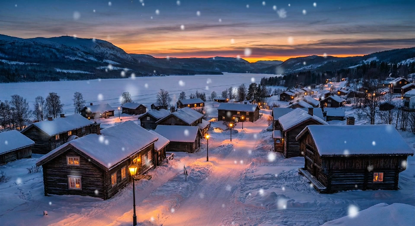
Best projector for christmas – Which beamer fits your living room, window or garden?
Best projector for christmas is often the first sentence people search when they plan a festive display. You want something that works in the real world. You want simple setup and a good picture. That means thinking about three basics: brightness, resolution and throw distance. Brightness is about lumens. Resolution is how sharp the image looks. Throw distance is how far the projector sits from the surface. Start by deciding where you will project. Will you use your living room wall, a big window, or the outside of your house? Each place changes the choice. I’ll walk you through clear steps and give examples that fit typical UK homes. The tips are aimed at beginners. I avoid techy jargon. I also share practical tricks that save time and money. You will learn which numbers matter and which don’t. You will get ideas that look great without expensive gear. And you’ll be able to compare simple models with confidence.
Choosing the right brightness and why it matters
Best projector for christmas should match the light conditions of your space. If you plan a daytime window show, you need more brightness. If you work in a dim living room in the evening, you can choose a lower-lumen model. Brightness is measured in lumens. A cozy living room usually looks great with 1000–2000 lumens. A bright window or outdoor wall needs 2000–4000 lumens or more. Don’t forget ambient light. Street lamps, fairy lights and TV glow all reduce contrast. So test your idea in similar light before you buy. Pick a projector with adjustable brightness modes. That gives you control for late-night movies and brighter family gatherings. Also check how the projector handles colors. Cheap models can wash out reds and greens, which is bad for festive patterns. Look for sample clips or in-store demos to see color quality. Also consider bulb life and replacement cost. LED and laser projectors last longer and keep colors steadier over time. If you plan frequent use for several seasons, a longer-lasting light source pays off. Finally, remember that a bright projector on a poor surface still looks bad. A clean white wall or proper screen makes your lumens count.
Resolution and image placement: short-throw vs standard
Best projector for christmas depends on how much space you have for mounting. Short-throw projectors sit close and create large images. They are ideal for small flats and living rooms. Standard-throw projectors need more distance but can be cheaper. Decide where the device will live before you pick a model. Measure the throw distance from the intended surface. Use the projector’s throw ratio to calculate image size. Many brands list simple charts for this. If you plan a window projection from an upstairs room, short-throw can avoid awkward angles. If you want a crisp picture on a distant garden wall, standard throw can reach wide and tall surfaces with fewer distortions. Also think about resolution. Full HD (1920x1080) is a great sweet spot for festive scenes. It gives sharp patterns and clear text without the higher price tag of 4K. If you show motion clips or videos, Full HD looks clean. If you mainly use simple animated patterns or static shapes, a lower resolution can still look fine. Keep lens shift and keystone correction in mind. These features help if your projector sits off-center. But the best results come from placing the projector square to the surface.
Living room, window and outdoor setups with real examples
Best projector for christmas can work differently in a living room, on a window or outside. In the living room aim for a relaxed cinema vibe. Mount the projector on a shelf or use a compact ceiling mount. Use a clean white wall or a pull-down screen. A lamp dimmer and blackout curtains improve contrast. For a window display, stick to bold silhouettes or high-contrast patterns. Transparent window film can help if you want the image visible from the street. Protect the projector from heat and condensation if it sits by a window. For outdoor projections choose a brighter unit and a sturdy tripod or mount. Remember weather: an awning or covered porch keeps the projector safe. Simple project ideas include falling snow, slow-moving stars, family name in festive font, or a loop of animated lights synced to soft music. Test a 2–3 minute clip at the final install time to check visibility. Use extension leads and a power-safe outdoor box if you project outside. If you need to show a pattern on uneven brick, try a short test to find the best focus point. Small adjustments in distance or angle can solve visible distortion quickly.
Budget tips, accessories and easy installation tricks
Best projector for christmas does not have to be expensive. You can get a good starter projector for a modest budget. Look for reliable brands with clear specs. Read real reviews and watch setup videos. Spend a little more on a quality tripod, a weatherproof cover for outdoor use, and a simple screen or tensioned fabric for windows. A small Bluetooth speaker can upgrade the experience without wires. Consider streamers and dongles for easy playback. Many projectors have built-in apps or HDMI and USB inputs. Others accept a phone via adapter. Use a cable cover or tape to tidy routes and reduce tripping. If mounting on a ceiling, check for solid fixings and fit with help if you are unsure. For quick changes between indoor and outdoor, a compact, light-weight projector is handier than a heavy fixed one. Keep a spare extension lead and a power surge protector ready. Also think of storage: protect the projector in a padded bag between uses. Finally, if you expect heavy use, check warranty and customer support. Good after-sales service is valuable for seasonal setups.
Final checklist and quick recommendations
Best projector for christmas is a decision you can make fast with a simple checklist. First, pick the right brightness for your location. Second, choose a throw type that fits your room. Third, aim for Full HD unless budget or use suggests otherwise. Fourth, plan power and mounting early. Fifth, pick accessories that protect and simplify your setup. If you want a straight-up recommendation: for small flats try a short-throw LED model around 1000–2000 lumens. For window displays or mixed ambient light choose 2000–3000 lumens with good color and contrast. For garden projection aim for 3000 lumens plus and a stable mount. If you need model names, look at mid-range short-throw LED units and mid-bright standard throw laser models from known brands. Also consider renting a higher-end projector if you want one big outdoor night only. The goal is to get a clean, bright image with easy setup so you can enjoy the season. If you still feel unsure, try a hands-on demo at a local shop or ask for a short trial period. That will save time and help you pick the perfect projector for your festive plans.
Popular projections