Christmas magic for kids - Why children may dream again at Christmas
Christmas magic for kids starts with a small pause. You switch off the harsh lights and open a door to play. I mean the kind of pause that asks no questions. Children feel it right away. Their breathing slows. Their eyes get wider. That quiet gives space for stories, for images to grow, and for tiny wonders to feel real. In this piece I want to blend simple psychology with hands-on ideas. You will read ways to use light, short family rituals, and easy projection ideas. The goal is not to dazzle. The goal is to give your child room to imagine. Keep things gentle. Keep things short. And make memories that feel warm and safe.
Why wonder matters for a child's heart
Christmas magic for kids feeds a child’s need to imagine. Kids learn through play and through wonder. When something feels magical, the brain releases curiosity. That helps memory and calm. It also builds a sense of safety around the unknown. Many adults forget that wonder is a skill. Kids practice it every day. When you invite wonder, you help them build resilience. You also offer them a way to cope with stress. Short, playful rituals work best. A tiny light show before bed. A two-minute story with a surprising line. These simple acts do more than create fun. They teach children that the world can be kind and surprising. That lesson matters in the long run. You do not need perfect props. You need attention, a soft voice, and a small plan. That is enough to make real psychological gains. The trick is consistency. Little rituals done often win over rare big events. So pick one small practice and repeat it. Make it easy to do. Make it safe. Watch how your child begins to expect, look forward to, and then finally create their own wonder.
How light and projections shape a story
Christmas magic for kids often comes alive when light tells the story. A projection can paint a wall with stars. It can change a room into a snowy field. That shift makes imagination quick. Light moves in a direct way into a child’s senses. It is immediate and simple. You do not need long explanations. A soft moving star can suggest a wide sky. A warm amber glow can suggest a cosy cottage. Use slow motion and quiet color changes. Fast flashing lights can be noisy to young minds. Choose scenes that match the story you want to tell. If you read about a sleigh, project snowflakes. If you sing about a fireplace, use warm glowing embers. Change the scale slowly. Start small on one wall. Then let the scene grow to the ceiling. This gentle expansion makes the scene feel vast. It supports the story without overwhelming the child. Use projections to highlight parts of the tale. Point the light at a toy when the toy is part of the story. That little spotlight makes the toy feel alive. Your child will connect the image, the sound, and the emotion. That link is at the heart of why projections work so well for family rituals.
Story ideas and short rituals to try tonight
Christmas magic for kids arrives fastest when you keep rituals short and repeatable. Try a three-minute stars ritual. Start with a hush and a single sentence: "Tonight we let the stars tell us one tiny secret." Then project a slow star field. Ask your child to point to the star they like best. Give it a name. Tell one short sentence about it. Finish with a warm blanket and a hug. Or try a giving ritual. Project gentle snow and read two small sentences about giving. Let your child place a tiny token in a bowl. Say a simple line of thanks. Repeat this scene each evening for a week. The repetition helps the brain learn the pattern of calm and joy. Keep language simple. Use short sentences and clear cues. Invite participation. Let children add a line or pick a color. That ownership deepens the experience. Use props sparingly. A cloth, a toy, or a soft light is enough. The goal is to create a predictable envelope of wonder. That way your child learns that magic is safe, repeatable, and part of family life. With time, they will start to expect these moments. They will begin to build their own sequences of ritual and story.
Practical projection tips for family use
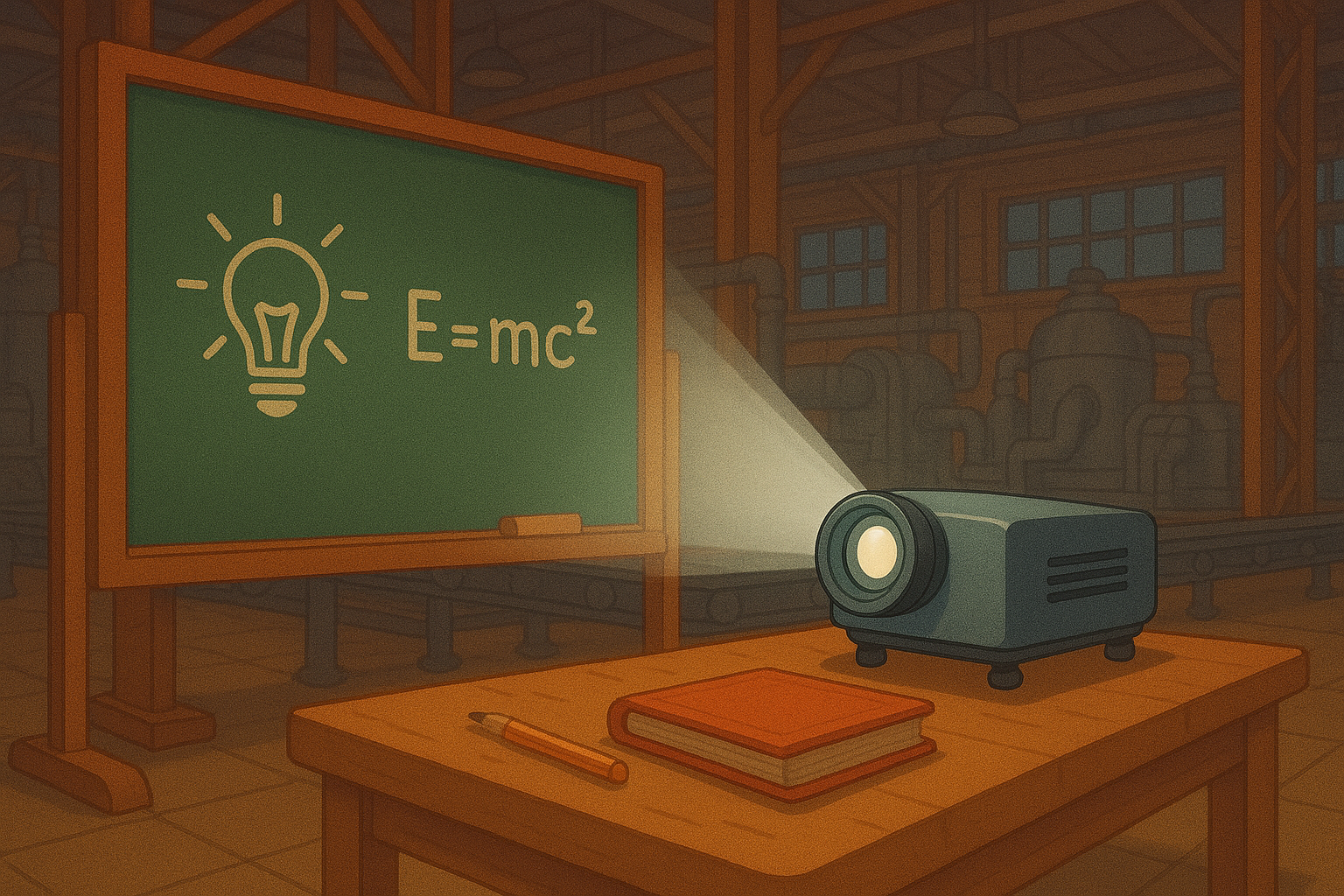
Christmas magic for kids works best when the tech is simple. Choose an easy projector with low noise. Put it on a stable surface. Aim for a soft angle so the light falls on a large wall. Keep the room dim but not pitch black. Add a small bedside lamp for quick comfort. Use content with slow motion and warm tones. Avoid busy, quick scenes that look like TV. Short loops of snow, drifting stars, or a twinkling tree work well. Time the projection for ten to twenty minutes. That is long enough to become meaningful. It is short enough to keep bedtime on track. If you want to narrate, write three to five lines. Rehearse the lines so you can say them slowly. Pause between sentences. Let the projection do most of the work. If you have more than one child, use a larger wall and invite different roles. One child can point, another can name. Keep volume low and voices soft. Test the setup during the day first. Fix any glare or reflections. Make sure cables are away from reach. A tidy setup means less distraction and more calm. With practice, you will set this up in five minutes. Then the ritual becomes seamless.
Safety, age guidance and keeping things gentle
Christmas magic for kids must be gentle and safe. Young children still fear loud noises and bright flashes. Check any content for sudden changes. Choose lights that stay warm to the touch. Keep cords out of the way. Use battery-powered devices when possible. If a child shows fear, pause the scene and switch to a soft lamp. Offer immediate comfort and a simple explanation. Do not push participation. Respect their pace. For toddlers, use very short loops and a calm voice. For early school age, add a single question so they can speak. For older kids, invite them to help design the scene. They can choose colors or short texts. Remember that rituals should feel like invitations, not rehearsals. If a child declines, offer a different gentle activity. That preserves trust. Also consider sensory differences. Some children prefer touch or smell. Add a soft fabric or a gentle cinnamon scent. Keep choices optional. The idea is to scaffold wonder while keeping emotional safety central. That balance is what helps children relax into the magic rather than feel overwhelmed.
Making the magic last beyond December
Christmas magic for kids should not be a single night. You can turn small practices into lasting family habits. Keep one projection loop saved for quieter months. Use the same short story and swap a detail each season. Let your child lead a scene on their birthday. Create a family box with one cloth, one toy, and one short script. Use it for a five-minute ritual on hard days or cold evenings. Teach your child to make a little projection using a phone and a small lens. Let them experiment with light and shadow. Encourage curiosity by asking two simple questions after each ritual: "What did you like?" and "What should we do next time?" These questions build memory and agency. Over time, your child will learn to summon calm and wonder by themselves. That is the real gift. It is a skill that helps them face doubts and grow creativity. With small, repeatable acts of light, story and touch, you give a child a lifelong invitation to dream.
Popular projections