Christmas projection: Wie Projektionen Weihnachten zum Leuchten bringen
Christmas projection has a special way of turning the ordinary into something that feels a little enchanted. Christmas projection sets a scene with light, motion and colour. Christmas projection can be subtle, like a soft snowfall across your curtain, or bold, like a story that plays across the front of a house. The first time you see moving light trace shapes on a wall or window, it pulls you in. Kids tend to stop what they are doing. Adults linger longer than they planned. The effect is simple and immediate: light becomes a storyteller. In practice this means you do not need huge equipment to get a charming result. A compact projector, a few well-chosen images or loops, and a careful surface to show them on will do most of the work. You will be surprised how much feeling can be packed into a short animation. The best part is that projections are flexible. You can change themes from classic snow scenes to playful animations in a few minutes. They are also reusable year after year, and you can layer them for richer scenes. That flexibility makes projections a smart choice for people who want fast, high-impact decoration without fuss.
What light projections are and why they feel emotional
Christmas projection brings images to life by using light instead of paint or fabric. Christmas projection paints with beams, and motion is part of the medium. Human brains are wired to read movement and faces, so even simple animated light feels alive. When a pattern of snow drifts down a window, your mind fills in the story. When warm colours wash across a living room, you sense comfort. The emotional power comes from rhythm and timing as much as from the visuals. A slow fade evokes calm. A steady pulse can build anticipation. Designers use these basic tools to guide feelings without saying a word. On a practical level, projections work with contrast and shape. Projectors throw light; dark areas stay calm; bright areas demand attention. You can use this to make a fireplace glow, to suggest tree silhouettes, or to highlight ornaments. The result is often more cinematic than static lights, because motion carries narrative. That narrative is why people smile or pause when they see projections that fit the season. They feel like a short, living scene rather than a decoration stuck in place.
How projectors and content work together
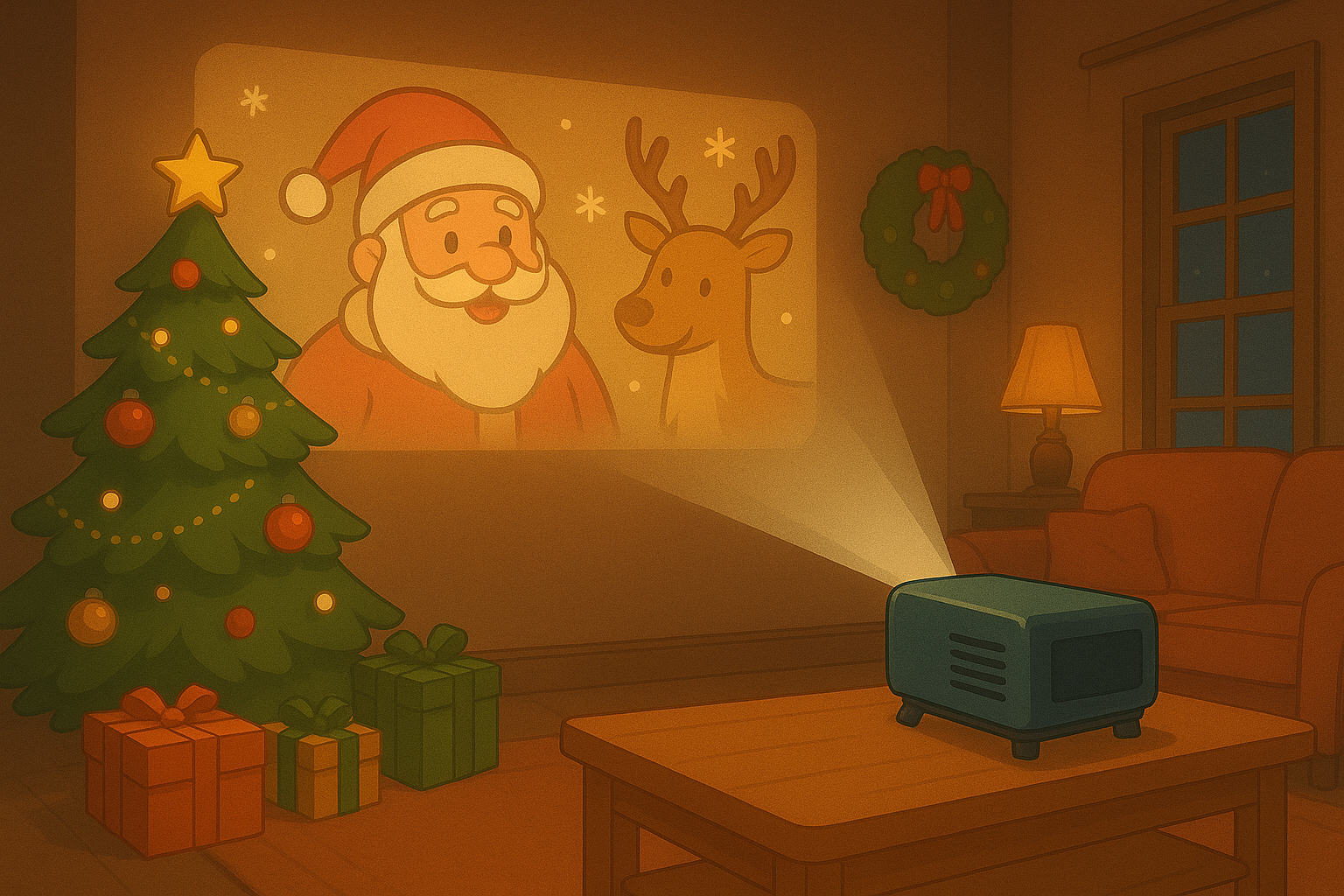
Christmas projection relies on two parts: the hardware and the content. Christmas projection needs a projector that matches the size of the space and the level of detail you want. Small, low-lumen models work well for a cozy living room and close-up surfaces. Brighter projectors are better for windows seen from the street or for projecting onto exterior walls. Christmas projection also depends on the content you choose. Simple loops of snowfall or gently falling leaves are forgiving and beautiful. More complex animations can tell a mini-story with characters and movement. File format and resolution matter too. Short, high-quality loops usually perform better than long, compressed videos. On the setup side, keep angles and distance in mind. Projectors cast a cone of light, so the sharpness and size change with distance. A little trial and error pays off: move the device, check keystone settings, and test playback. Sound can add another dimension if the projector or an external speaker is used. But even without audio, the visual alone can be powerful. Practical tips like securing the projector, shielding it from moisture, and using extension leads safely will keep your display working all season.
Practical tips for windows and living rooms
Christmas projection works beautifully on windows and in living rooms because these spaces feel personal and shared. Christmas projection is discreet enough to sit behind curtains and still show through glass. Christmas projection is flexible, so you can swap themes between cosy evenings and visitors' arrival. When using a window, consider the view from outside. Nighttime windows often act like screens for passersby. For interior displays, think about focal points. A blank wall behind the sofa, a tall bookshelf, or a fireplace wall makes a great canvas. Use soft, warm palettes for intimate scenes and cooler tones for crisp snowy looks. To set up, place the projector at a steady height and angle so the image fills the target without too much distortion. Christmas projection benefits from matt surfaces; mirrors and glossy furniture can scatter the image. If you want to create layered effects, try projecting onto semi-transparent fabric in front of string lights. That adds depth and texture. For safety and tidy cables, use cable clips and keep trip hazards to a minimum. If you plan shows during a party, test everything beforehand and keep a remote or phone app handy for quick changes.
Quick checklist before you start
Christmas projection asks for a few checks so the result looks polished. Christmas projection is best tested at night, so do a rehearsal in the evening. Choose a projector brightness that suits the distance and ambient light. Prepare short loops for trial and keep spare cables on hand. Secure the projector bracket or stand and check that keystone correction gives a natural shape. Consider neighbours and passersby when projecting externally. Finally, have fun with the process — small adjustments can make a big difference.
Scenes, stories and easy inspiration
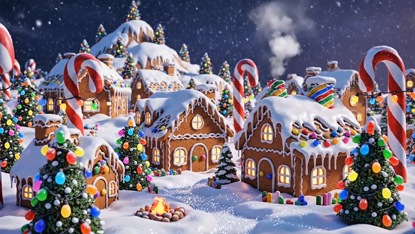
Christmas projection lets you stage tiny theatrical moments in your home. Christmas projection can show a slow snowfall across your windows that feels like a private winter film. Christmas projection can create scenes where light outlines a tree, then fills the room with moving stars. For a family evening, pick a gentle loop that brings motion without distraction. For street-facing windows, choose bolder graphics and richer contrast to hold attention from a distance. Photographs of real setups help you plan. Try a scene with layered projections: a background wash of colour, a mid-layer of soft silhouettes, and a foreground of small animated details. That combination reads as depth and makes the display feel handcrafted. If you photograph your setup, use a tripod and a longer exposure to capture the glow accurately. Shareable moments tend to be simple and clear. Finally, remember that projections are forgiving. Swap themes, tweak timing, and enjoy the reactions. The goal is to create warmth, surprise, and a little cinematic wonder in your home this season.
Popular projections